
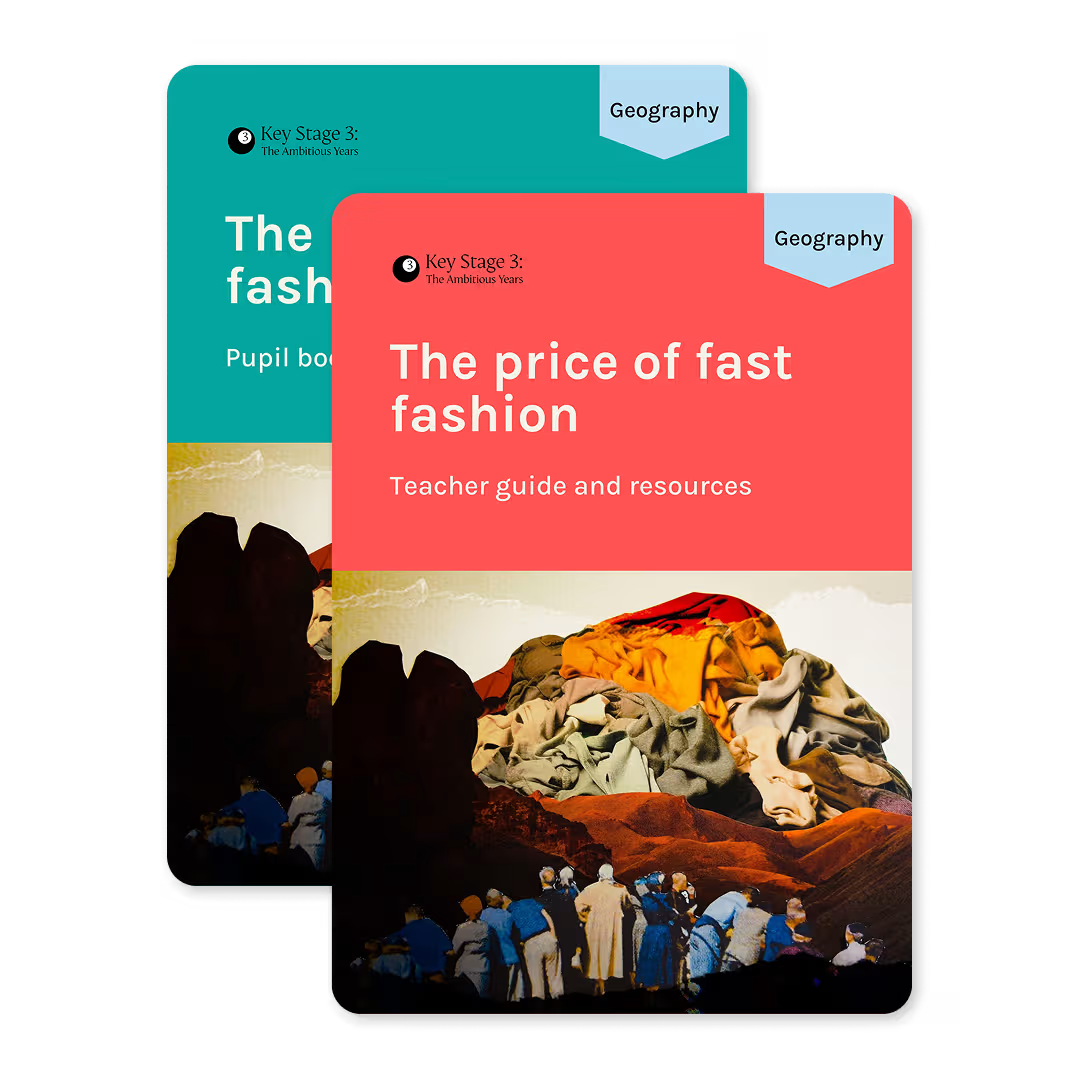
The price of fast fashion
Based on the book Fashionopolis by Dana Thomas.
The booklet investigates the social, economic and environmental impacts of fast fashion and weigh possible solutions, preparing pupils to answer the key question in a short essay.
Pupils explore garment workers’ conditions, cotton and denim’s water use and pollution, and cashmere production’s effects on Mongolian grasslands and livelihoods. They consider textile waste and the benefits and limitations of repair, reuse, recycling and circular fashion.
Pupils develop geographical vocabulary, explain links between consumption, production and environmental change, and distinguish social, economic and environmental effects. They use case studies to weigh competing impacts and evaluate proposed solutions in their written response.
Teacher guide
Pupil booklet
About the text
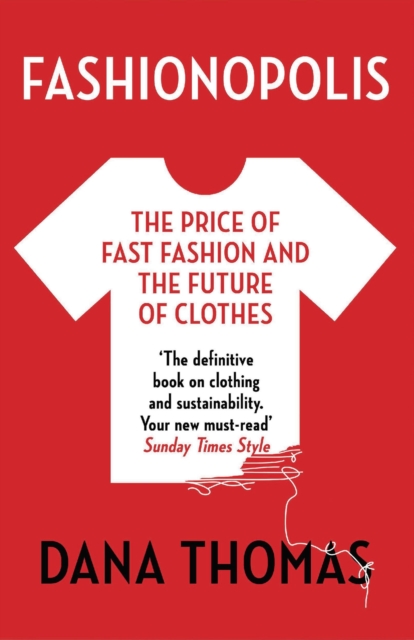
Fashionopolis
Fashion has blighted our planet. Today, one out of six people on earth work in fashion, churning out 100 billion garments a year. Yet 98 percent of them do not earn a living wage, and 2.1 billion tonnes of clothing is thrown away annually. The clothing industry's exploitation of fellow humans and the environment has reached epic levels. What should we do?
Other booklets

Based on the book The Tao of Pooh by Benjamin Hoff